
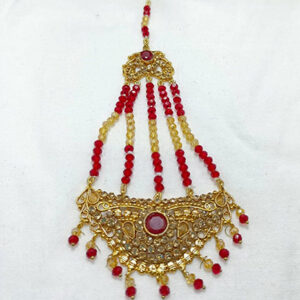
Bridal Elegance and Cultural Significance
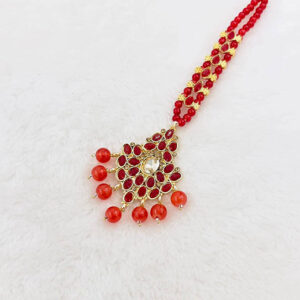
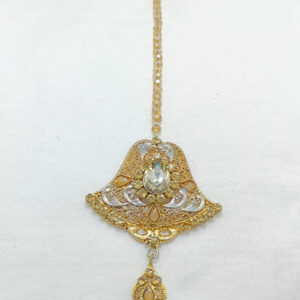
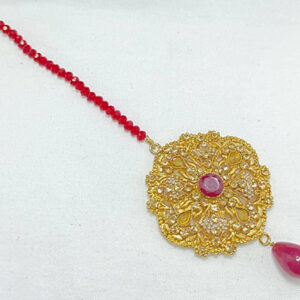
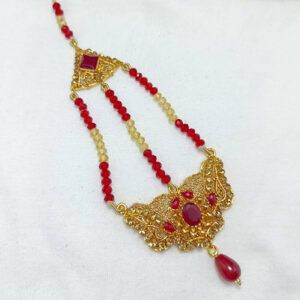
The Maang Tikka, an emblem of grace and tradition, has deep roots in South Asian culture, particularly in India’s vibrant tapestry of rituals and celebrations. This forehead ornament, shimmering with elegance, not only accentuates a bride’s beauty but also symbolizes her marital status and journey ahead.
Historically, the Maang Tikka’s significance is profound. It traces its origins to ancient tales where Goddess Parvati, the epitome of love and devotion, adorned herself with such adornments. This association elevates the Maang Tikka beyond mere jewelry—it becomes a narrative of divine beauty and timeless love. Over epochs, as traditions evolved, the Maang Tikka seamlessly transitioned into a bridal staple, signifying a bride’s commitment and her new life chapter.
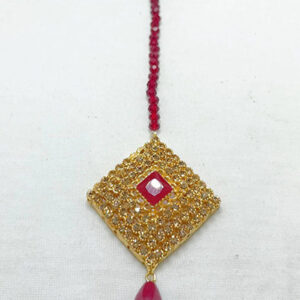
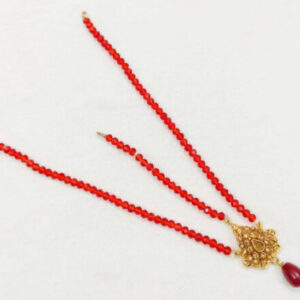
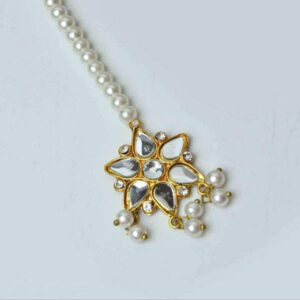
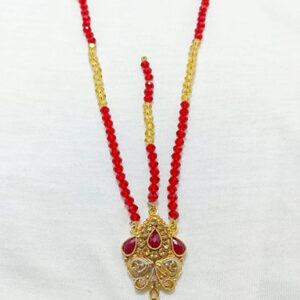
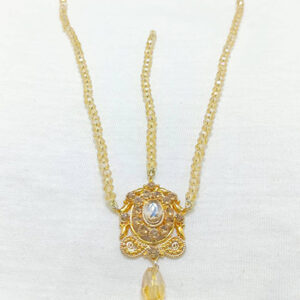
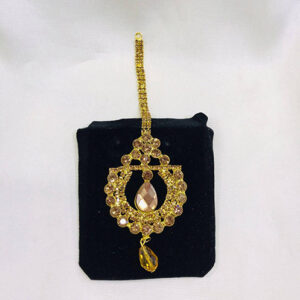
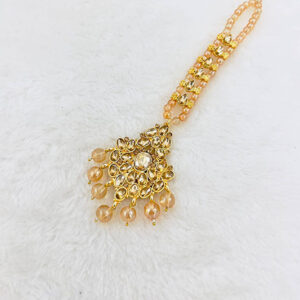
Craftsmanship elevates the Maang Tikka’s allure. Artisans intricately mold metals like gold or silver, infusing them with intricate patterns. The addition of pearls, gemstones, or the meticulous meenakari work adds layers of sophistication, making each Maang Tikka a masterpiece. These designs, often regional in essence, showcase the diverse craft traditions of India.
However, the Maang Tikka’s appeal isn’t just aesthetic. Deep-rooted beliefs suggest that it aligns with the “ajna chakra,” a potent energy point on the forehead. This alignment is said to enhance the bride’s focus and intuition, guiding her into her marital journey with clarity.
Modern interpretations of the Maang Tikka reflect its timeless charm. While bridal designs remain opulent, contemporary versions cater to various occasions. Fashion-forward designs blend traditional intricacies with modern aesthetics, ensuring the Maang Tikka remains relevant across generations.
In summation, the Maang Tikka stands as a testament to India’s rich cultural heritage. Its blend of beauty, symbolism, and craftsmanship makes it a cherished accessory, enhancing the allure of brides and echoing the timeless traditions of South Asia.