
A Timeless Adornment
Historical Roots and Evolution
Ancient civilizations, such as the Indus Valley and Mesopotamia, embraced bangles. Over time, these circular ornaments transformed from basic decorative items to potent symbols of cultural identity. Skilled artisans have crafted them for centuries, each piece echoing tales of tradition and craftsmanship.
Cultural Significance
In India’s rich cultural tapestry, bangles occupy a revered position. They signify more than mere adornment, standing as markers of marital status, prosperity, and feminine elegance. The subtle sound they emit during joyous celebrations, be it weddings or festivals, is emblematic of happiness and tradition. Beyond the Indian subcontinent, bangles find resonance across continents, being integral to diverse traditions and rituals, highlighting their global allure.
Craftsmanship and Materials
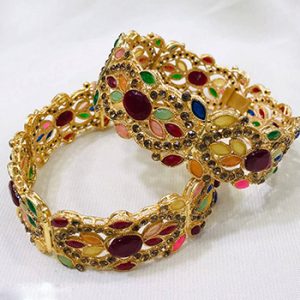
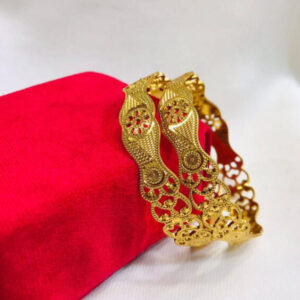
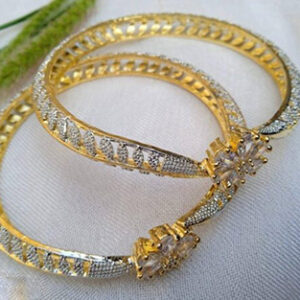
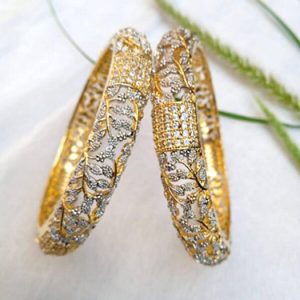
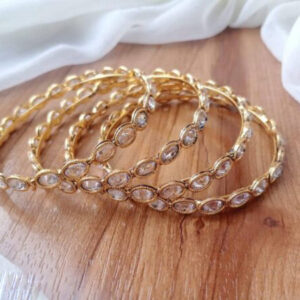
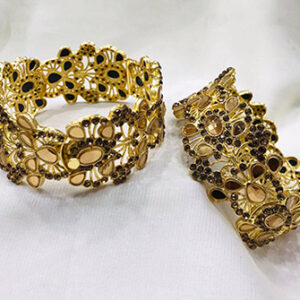
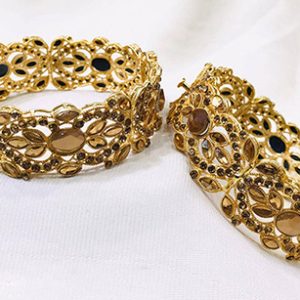
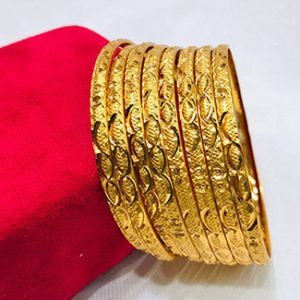
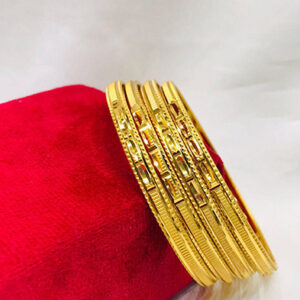
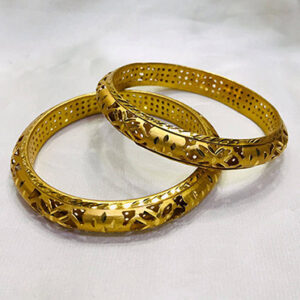
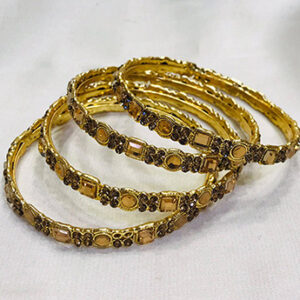
The craftsmanship behind bangles is a testament to human artistry. Traditional variants often boast intricate designs, fashioned from materials like gold, silver, or vibrant glass. However, the modern era, with its penchant for innovation, has seen bangles crafted from unconventional materials such as wood, plastic, and recycled elements. This harmonious blend of age-old techniques with contemporary materials ensures that bangles retain their timeless appeal while resonating with modern sensibilities.
Health and Belief Associations
Interestingly, some cultures ascribe therapeutic properties to bangles. For example, metal bangles are believed to invigorate blood circulation and offer relief from joint discomfort. Such beliefs, rooted in ancient wisdom, underline the intricate relationship between these adornments and holistic well-being.
Fashion and Global Appeal
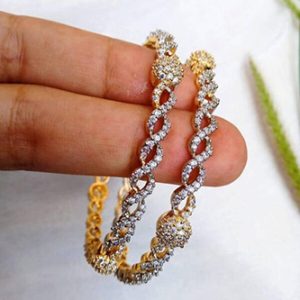
Bangles have transcended their traditional confines to carve a niche in the global fashion arena. Renowned designers have reimagined them, from sleek, minimalist designs to opulent, gem-studded creations, making them a coveted accessory on international runways and in discerning collections.
Conclusion
these, in their essence, are more than mere accessories; they encapsulate history, culture, and intricate craftsmanship. As they continue to grace wrists worldwide, their enduring significance as symbols of beauty, tradition, and global fashion remains unchallenged.