


Necklace: The Epitome of Elegance and Expression
Historical Significance:
For centuries, the necklace has stood as a symbol of elegance and identity. Across eras, from the opulent Egyptians to the majestic Romans, it was more than just a decorative piece. Specifically, in ancient civilizations, necklaces conveyed not only social status but also spiritual beliefs and familial lineage. Moreover, they played a central role in rituals and ceremonies, marking pivotal life events.
Evolution in Design:
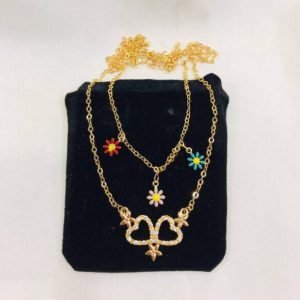
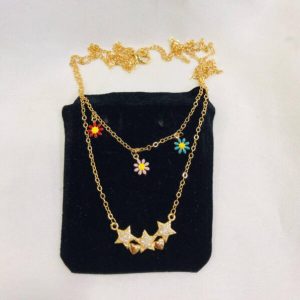
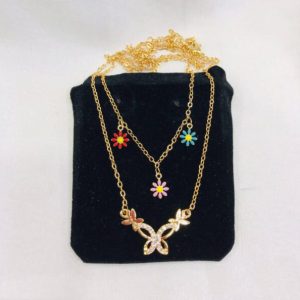
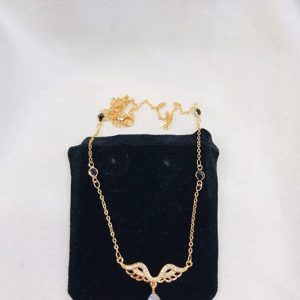
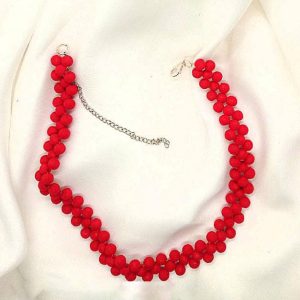
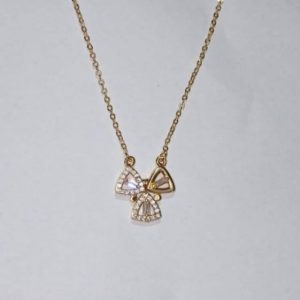
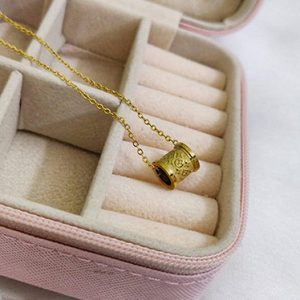
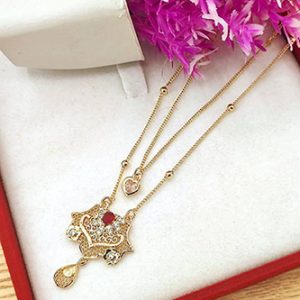
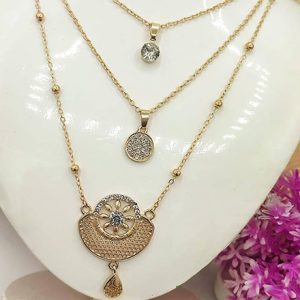
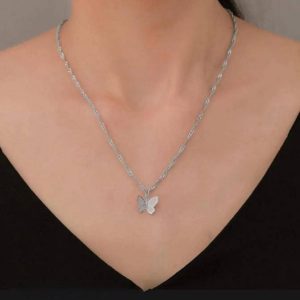
The evolution of necklace design offers a fascinating journey through time. During the Renaissance, delicate pearl strands were the hallmark of refinement. In contrast, the 20th century ushered in bold chokers, reflecting a more audacious spirit. Today, the spectrum of necklace styles is vast, ranging from minimalist pendants to intricate collars. Crafted from diverse materials, each necklace tells its own story.
Personal and Cultural Resonance:
Beyond their aesthetic appeal, necklaces often hold deep personal and cultural significance. For many, they serve as cherished keepsakes, commemorating special memories or relationships. Across various cultures, necklaces carry unique meanings, reflecting diverse traditions and narratives. Furthermore, many individuals view them as talismans, imbued with protective or symbolic properties.
Contemporary Relevance:
In the modern fashion landscape, necklaces remain ever-relevant. They adorn the necklines of celebrities and influencers, adding a touch of sophistication or making bold fashion statements. Continually, designers innovate, blending traditional craftsmanship with modern aesthetics, ensuring necklaces resonate with today’s trends.
Conclusion:
In summary, the necklace is a timeless accessory, weaving together history, culture, and personal expression. Whether chosen for its symbolic meaning, fashion statement, or heritage connection, a necklace remains a treasured piece. Above all, it captures the enduring allure and transformative power of jewelry, transcending time and trends.